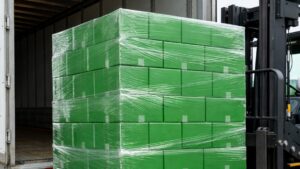
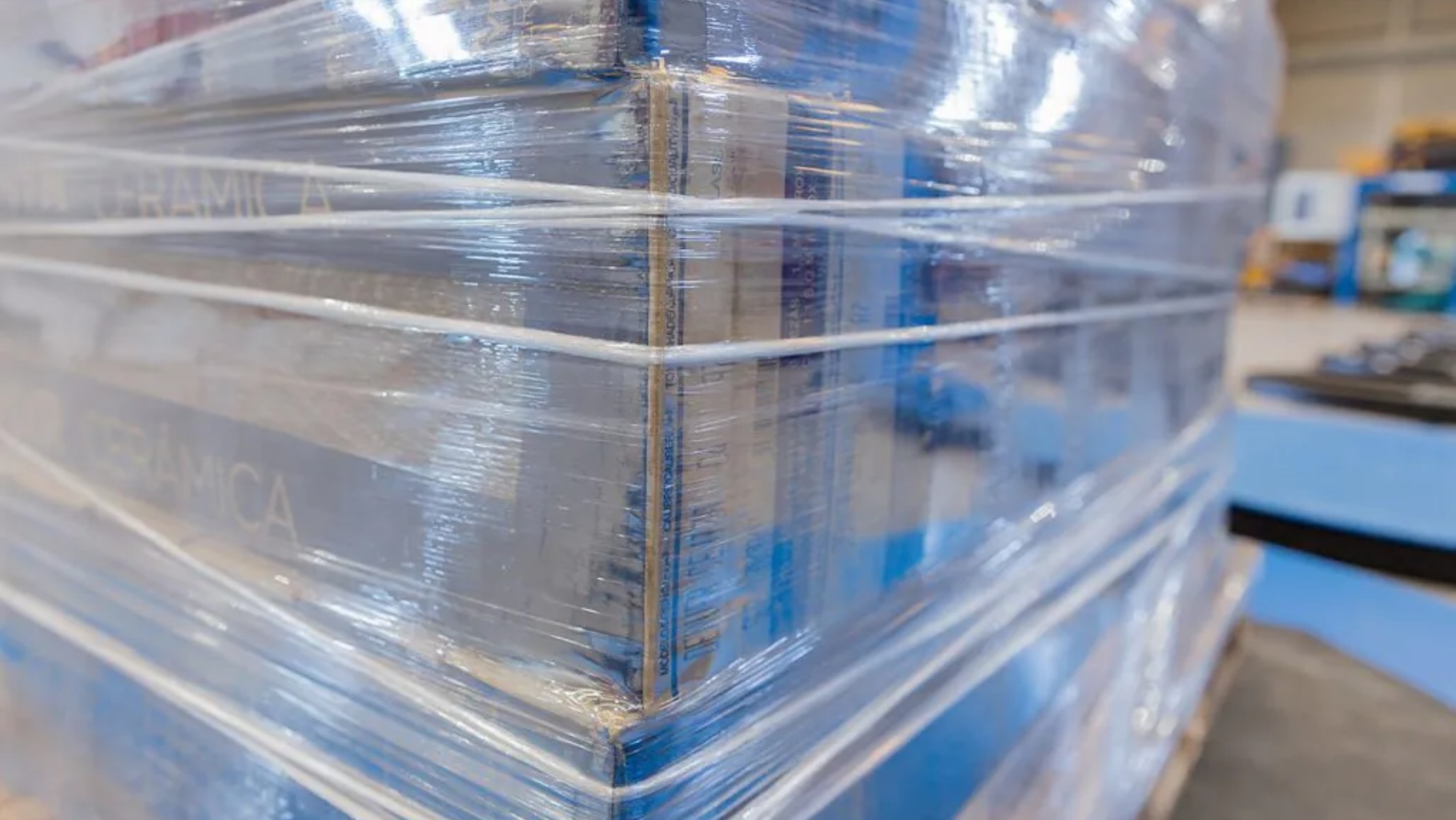
Overwrapping is one of the most common pallet “fixes” in modern operations. When loads shift, film breaks, or damage shows up downstream, the response is almost always the same: add more film.
More wraps. More tension. More layers “just to be safe.”
On the surface, it feels responsible. In reality, overwrapping is often a signal that something deeper is broken, and it quietly creates cost, risk, and inefficiency across the operation.
Overwrapping Isn’t a Strategy. It’s a Symptom.
Most overwrapping decisions aren’t data-driven. They’re reactionary.
A single pallet tips in transit. A wrapper stops mid-shift. A damage claim spikes. Suddenly, wrap counts increase across every load, regardless of weight, geometry, or lane conditions.
The problem is that more film does not equal better containment. In many cases, it does the opposite.
True load stability is a function of containment force, film behavior, wrap pattern, and pallet geometry, not simply the amount of plastic applied. When those variables aren’t understood or controlled, overwrapping becomes the default workaround.
And that’s where the hidden costs start stacking up.
The Material Cost Is the Smallest Problem
Yes, overwrapping increases film usage. But material cost is only the most visible line item, and usually the least expensive one.
The real cost shows up elsewhere:
- Increased roll changes and downtime
- Higher labor time per pallet
- Reduced wrapper throughput
- More operator intervention
- Increased safety exposure at the dock
In high-volume environments, even small inefficiencies compound quickly. A few extra seconds per pallet can mean missed cutoffs, congested docks, or downstream delays that ripple through the day.
Overwrapping Slows Throughput
Stretch wrappers are designed to operate within specific performance windows. Excessive wraps and elevated tension settings increase cycle time and stress both the film and the equipment.
The result?
- Slower wrap cycles
- More frequent film breaks
- Operators overriding machine settings
- Inconsistent performance across shifts
What looks like a “secure” pallet is often masking a throughput problem that reduces overall capacity.
In operations where speed defines profitability, ecommerce, logistics, food and beverage, general manufacturing, this drag on throughput is costly.
Overwrapping Creates Safety Risk
This part is often overlooked.
Overwrapped pallets are stiffer and less forgiving during handling. When tension is excessive or film is applied unevenly, loads can store energy that releases suddenly during cutting or forklift movement.
Combine that with:
- Increased rewrap activity
- More manual intervention
- Congested dock areas
And you’ve created additional safety exposure, not reduced it.
Ironically, many safety incidents tied to pallets stem from attempts to “make loads safer” by adding more film without understanding the system.
Overwrapping Masks the Real Problem
Perhaps the most damaging effect of overwrapping is that it hides the root cause.
When you add film instead of diagnosing:
- Load geometry issues
- Improper wrap patterns
- Incorrect containment targets
- Equipment misalignment
- Film-machine mismatch
You lose the opportunity to fix the system.
Over time, operations normalize waste. Overwrap becomes standard. Costs creep up quietly. And no one can explain why film usage is high, damage still happens, or performance varies by shift or site.
What Engineered Containment Actually Looks Like
High-performing operations don’t guess. They measure.
Engineered containment starts with understanding:
- How much force a load actually needs
- Where instability originates (base, corners, top)
- How the film behaves under stretch and recovery
- How the pallet moves through real handling conditions
From there, wrap patterns are optimized to apply the right containment in the right places, not everywhere.
This approach typically results in:
- Fewer wraps, not more
- Better load stability
- Faster cycle times
- Lower material usage
- Reduced labor and downtime
Most importantly, it replaces assumptions with data.
The Shift from “More Film” to “Right Film”
The goal isn’t to wrap less at all costs. It’s to wrap correctly.
When containment is engineered as part of a system, film, equipment, load, and environment, operations gain control. Variability drops. Performance becomes repeatable. And cost reductions are sustainable, not risky.
That’s where solutions like TUFflex, when paired with SecureWrap optimization, become powerful. Not because they add more film, but because they enable smarter containment with less waste and more consistency.
If overwrapping feels like the only way to stay safe, it’s time to step back and look at the system.
Reach out to learn how engineered containment can reduce hidden costs, improve throughput, and deliver stability without excess.